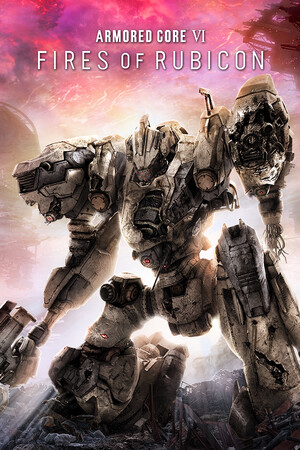
Armored Core VI review: FromSoftware builds a better mech
FromSoftware finally makes a mech feel like a fighter jet with a temper, and the stagger loop is the best thing they have built in years.

The Scorecard
The first time I two-shot a chip target with a boost-kick into a linked-shot combo, I knew this game had me. My mech lunged, quick-boosted sideways off a wall, and slammed a stagger meter into the red before the enemy even finished its wind-up. That is the feeling I chase. Armored Core VI nails it in the first hour and never lets go.
The feel is the whole pitch here. This mech does not lumber. It darts. Quick-boost has a snap to it that reads like a fighting game dash, and the hard-lock keeps a target framed so you can pour attention into positioning instead of wrestling the camera. Weight matters, and you feel it. Load a heavy tank chassis and you plant like a bunker, trading agility for raw poise. Strap on light bipedal legs and you skate across arenas, dodging missile spreads by inches. Every part swap changes how the thing moves in your hands, and that is the honest core of the appeal.
The fight is built on stagger, which the game calls ACS overload. You chip an enemy with fast attacks, fill their impact gauge, and once it caps they buckle and eat massive bonus damage. It rewrites how you read every encounter. Do I poke and pressure to break poise, or do I hold a heavy hitter for the stagger window? The loadout math is where I lived. Dual shoulder missiles for aggro control, a laser rifle for chip, and a pile bunker or shotgun for the punish. Assembly is deep without being fussy. You tune weight, energy output, boost speed, and firmness, and the numbers actually translate into feel. The skill ceiling is high because reading enemy tells and managing your own energy under fire separates a clean run from a smear on the wall. Enemy readability is mostly strong. Attacks telegraph, tracking is fair, and when I died it was because I misplayed, not because the game cheated me. That is the compliment I give sparingly.
The arena is where the cracks show. When the encounter design cooks, it cooks. Balteus is a genuine skill check, a firewall of flame and missiles that forces you to actually learn the systems. The best bosses are the reason this game reviews the way it does, and the aggregate reflects that. Metacritic lands the PC version around 87 and OpenCritic sits near 85 with a Mighty tier and roughly 91 percent of critics recommending it. I agree with the room on the highs. But the mission structure sags between those peaks. A real chunk of missions reuse earlier areas, and a lot of them are trivially easy filler that ask nothing of you before the game suddenly slams a wall in the form of a boss. That whiplash is real. One minute you are cruising, the next you are wiping ten times on a check that arrives with no ramp. Critics flagged the uneven difficulty curve and the repetition, and they were right to. The invisible walls boxing in arenas caught me mid-boost more than once, killing a dodge at the worst moment. In a game this fast, that costs you.
The grind respects your time, mostly. Parts unlock through the shop with credits earned from missions, and you can refund parts at full value, so experimenting never punishes your wallet. That is a smart, generous economy. Rerunning missions to farm is painless, and New Game Plus opens alternate paths and fresh bosses that make a second run worth it. The friction points are the stagger dependency and the arena ranked fights that gate some of the best parts behind grinding. The stagger system itself is divisive, and I get why. When you botch a window you lose precious seconds, and some players find that punishment more frustrating than fun. I lean the other way. It gives every fight a rhythm and a payoff. But I will name it as a flaw for the people it will grate on.
Here is the call. Armored Core VI is the sharpest that mech action has felt in a decade, carried by combat, customization, and boss battles that stand with the best FromSoftware has made. It is dragged down by dull connective missions, a forgettable plot, and difficulty spikes that arrive without warning. The good is great and the filler is skippable noise. If you want a game that lives in your hands, that asks you to build a machine and then master it, this is an easy recommend. If you came for narrative or a smooth difficulty ramp, look elsewhere. For anyone who loves the feel of a fight and the tuning of a loadout, this is essential.